


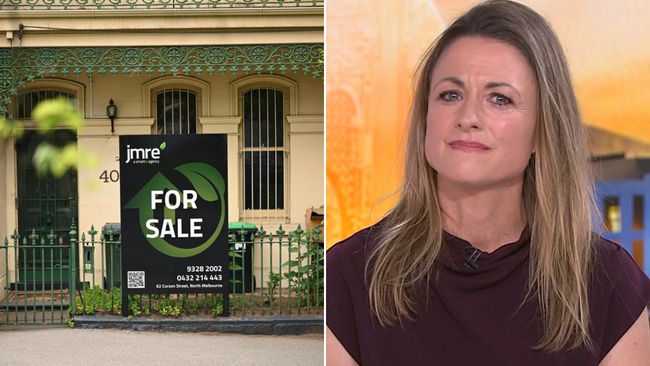
Major property tax reforms announced in the federal budget will take years to meaningfully help first-home buyers, with experts warning there will be no sudden rush of relief for Australians locked out of the housing market.
The Albanese Government used Tuesday night’s budget to unveil sweeping changes to negative gearing and capital gains tax concessions, in a bid to ease pressure on first-home buyers competing against investors in the housing market.
WATCH THE VIDEO ABOVE: Property tax reforms aim to help first-home buyers
Know the news with the 7NEWS app: Download today
Under the reforms, negative gearing tax concessions will be restricted to newly built properties from July 1, 2027, while the 50 per cent capital gains tax discount for individuals will be replaced with an inflation indexation model for future investments.
Treasury modelling released alongside the budget predicts the changes will reduce property prices by around 2 per cent and help an additional 75,000 first-home buyers enter the market over the next decade.
But Canstar financial commentator Sally Tindall said the impact would take time to flow through to buyers struggling to break into the market now.
“There’s no floodgates that are going to be open for first-home buyers, that’s for sure,” Tindall told Sunrise on Wednesday.
“This is big reform that will take a while to have an impact on the property market.”

The reforms are designed to reduce investor demand for existing homes and redirect investment toward new housing stock, giving first-home buyers more opportunities at auctions.
However, concerns remain about whether enough homes can actually be built to meet demand.
The budget included a $2 billion housing supply package aimed at supporting new construction and enabling infrastructure, but Tindall warned labour shortages in the construction sector remained a major obstacle.
“There was a $2 billion package to help with housing supply, but we need more help with getting trades to help build the houses,” she said.
Tindall also questioned whether investor incentives alone would be enough to significantly boost housing supply.
“There still needs to be builders there to actually build the homes,” she said.


